
The Hidden Mental Health Cost of Long Commutes/traffic snarls
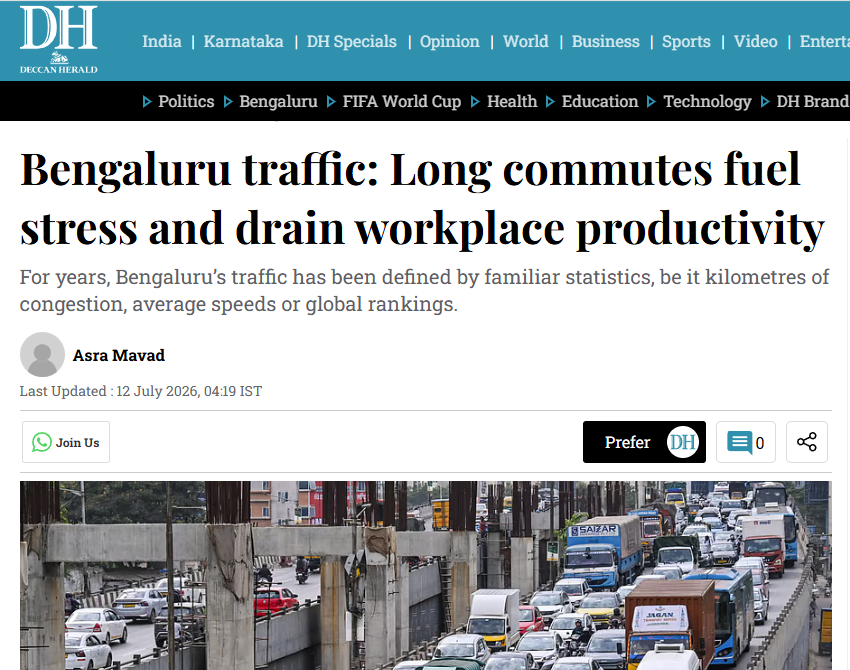
How long commutes and facing traffic snarls is affecting mental health negatively, fueling stress, burnout, and poor Work-Life Balance in cities like Bengaluru.
Every morning, millions of people set out for work expecting to arrive at their destination. What they don’t expect is to arrive mentally exhausted before the workday has even begun.
In Bengaluru, where traffic congestion has become an accepted part of everyday life, commuting is no longer just a transportation issue. It has evolved into a significant mental health challenge, quietly affecting stress levels, relationships, workplace productivity, and overall quality of life.
As featured in a recent Deccan Herald article, “Bengaluru traffic: Long commutes fuel stress and drain workplace productivity,” psychotherapist Kala Balasubramanian (Inner Dawn) explains that the emotional consequences of prolonged commuting are often underestimated. While people may accept traffic as unavoidable, the human mind and body continue to pay the price every single day.
Read the original Deccan Herald article here:
https://www.deccanherald.com/india/karnataka/bengaluru/the-toll-of-snarls-frayed-nerves-falling-productivity-4070766
Commute Stress: The Invisible Burden We Carry Every Day
When discussing traffic, conversations usually revolve around lost hours, poor infrastructure, or delayed meetings. Rarely do we talk about what those hours are doing to our emotional wellbeing.
A long commute exposes individuals to continuous uncertainty.
Will there be another traffic jam?
Will I be late for work?
Will my manager understand?
Will I reach home in time to spend time with my family?
These questions may seem ordinary, but together they keep the body’s stress response activated for extended periods. Our nervous system is designed to help us cope with occasional challenges. It is not designed to remain in a heightened state of alert for several hours every day. Over weeks and months, this constant activation contributes to what psychologists call chronic stress, which can eventually affect both physical and mental health.
Why Bengaluru Traffic Is Becoming a Mental Health Issue
Bengaluru has earned global recognition as India’s technology capital. Unfortunately, it has also become synonymous with long travel times and unpredictable congestion. Many professionals spend two to four hours commuting each day. That is time taken away from Sleep and Relaxation, Exercise, Family Time, Hobbies, Social connections, Personal growth and more.
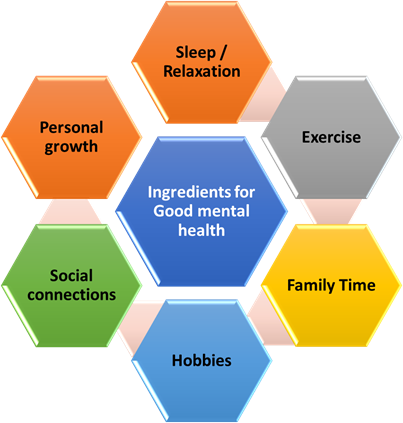
These activities are not luxuries. They are essential ingredients for good mental health.
When commuting consumes these opportunities consistently, people begin to experience what researchers describe as time poverty. Even if they enjoy their jobs, they have little energy left to enjoy the rest of their lives. This imbalance gradually erodes work-life balance, leaving many people feeling that life revolves entirely around work and traffic.
Why Long Commutes Affect Emotional Wellbeing and affect Mental Health?
In the Deccan Herald feature, Kala Balasubramanian highlights that the effects of long commutes extend far beyond temporary frustration.
Every stressful commute consumes emotional resources.
When people repeatedly begin and end their day in a heightened state of stress, they often have less patience, reduced emotional flexibility, and diminished resilience when facing everyday challenges.
The impact is cumulative rather than immediate.
Someone who experiences chronic commuting stress may begin to notice:
- Increased irritability
- Emotional exhaustion
- Difficulty concentrating
- Reduced motivation
- Poor decision-making
- Lower frustration tolerance
- Sleep disturbances
- More frequent conflicts at home and work
Many people assume they simply need a holiday. In reality, they may be experiencing the gradual effects of chronic stress exposure.
Recognising commuting as a legitimate contributor to mental health challenges is an important first step toward preventing more serious problems such as anxiety, burnout, and depression.
The Link Between Commute Stress and Burnout
Burnout is often blamed solely on demanding jobs. However, work begins long before employees log into their computers. Imagine spending three hours navigating aggressive traffic, worrying about delays, responding to work messages, and constantly monitoring navigation apps.
By the time the workday starts, a significant portion of mental energy has already been consumed. This is why commuting can become an overlooked contributor to burnout prevention efforts. Burnout develops when prolonged stress exceeds an individual’s capacity to recover.
Long commutes reduce recovery time while simultaneously increasing daily stress. It becomes a perfect recipe for emotional exhaustion.
Employee Wellbeing Starts Before Employees Reach the Office
Many organisations invest heavily in employee wellbeing initiatives. They provide Employee Assistance Programs, which may include counselling services, wellness programmes, preventive training to build resilience, etc.
Provide other benefits like Meditation sessions, Gym memberships, etc. Yet many employees continue spending several hours every day in one of the most stressful parts of their routine.
Organisations that genuinely prioritise mental health are increasingly recognising the importance of:
- Flexible working hours
- Hybrid work models
- Remote work options where feasible
- Staggered office timings
- Reduced unnecessary travel
- Outcome-based performance rather than presenteeism
These strategies not only reduce stress but often improve productivity, engagement, and employee retention. Supporting employees before they arrive at work is becoming just as important as supporting them once they are there.
The Ripple Effect on Relationships and Connections
One of the least discussed consequences of long commutes is their impact on personal relationships.
After a long day at work and a commute back, many people return home emotionally depleted. They may have little energy left for conversations with their family members and partner. Emotional capacity for connections is depleted. They may experience annoyance when children are just being children. Minor disagreements escalate more quickly. Personal hobbies disappear. Friendships receive less attention.
Over time, families may mistakenly believe the problem lies within the relationship itself, when the underlying issue is chronic stress and emotional fatigue. Healthy relationships require emotional availability.
Protecting Your Mental Health Despite a Long Commute
While infrastructure improvements require policy changes and long-term planning, individuals can still take meaningful steps to reduce the emotional impact of commuting.
Create a Recovery Ritual
Instead of moving directly from traffic into work, spend five minutes resetting your nervous system. Deep breathing, mindfulness, stretching, or simply sitting quietly can help your brain transition more calmly.
Use the Commute Intentionally
Audiobooks, podcasts, calming music, or guided mindfulness exercises can transform commuting time into something restorative instead of purely stressful.
Establish Clear Boundaries
Avoid checking work emails throughout your commute unless absolutely necessary. Allow commuting to remain a transition period rather than an extension of the workday.
Prioritise Sleep
Long commutes often tempt people to sacrifice sleep. Unfortunately, sleep deprivation magnifies the effects of stress, making emotional regulation even more difficult.
Watch for Warning Signs
If you consistently experience:
- Persistent irritability
- Anxiety
- Difficulty sleeping
- Emotional numbness
- Frequent headaches
- Reduced enjoyment in daily activities
it may be worth seeking professional support before stress progresses into burnout.
What Cities and Employers Can Learn
Urban planning is often discussed in terms of economics, transportation, and environmental sustainability. Mental health deserves an equal place in that conversation.
Shorter commutes are associated with healthier, happier, and more productive communities. Similarly, organisations that recognise commuting as part of employee wellbeing can create healthier workplaces by offering greater flexibility and designing policies that acknowledge the realities of modern urban life.
Supporting mental health requires looking beyond the office walls.
The Road Ahead
- Traffic congestion is measured in kilometres.
- Mental health is measured in moments.
- The missed dinner with family.
- The shortened bedtime story.
- The cancelled evening walk.
- The conversation that never happened because there was no energy left.
- These moments quietly accumulate until stress becomes the new normal.
As Kala Balasubramanian points out in the Deccan Herald article, recognising the psychological burden of long commutes is essential if we are to build healthier individuals, stronger families, and more resilient workplaces.
The conversation about traffic should not end with infrastructure. It should include wellbeing.
Because every hour spent in traffic is also an hour spent using emotional energy that could have been invested in creativity, relationships, recovery, and living a fuller life. The next time we talk about Bengaluru’s traffic, perhaps the most important question is not, “How long did it take to get there?”
It is, “What did the journey cost you emotionally?”
About the Author
Kala Balasubramanian is a Psychotherapist, PTSTA (Psychotherapy), Trainer, Supervisor, and Founder of Inner Dawn Counselling and Training Services LLP. She works with individuals, couples, groups, and organisations to foster emotional wellbeing, healthier relationships, resilience, and psychologically safe workplaces. Her work focuses on helping people understand the impact of stress, relationships, communication patterns, and emotional health on everyday life.